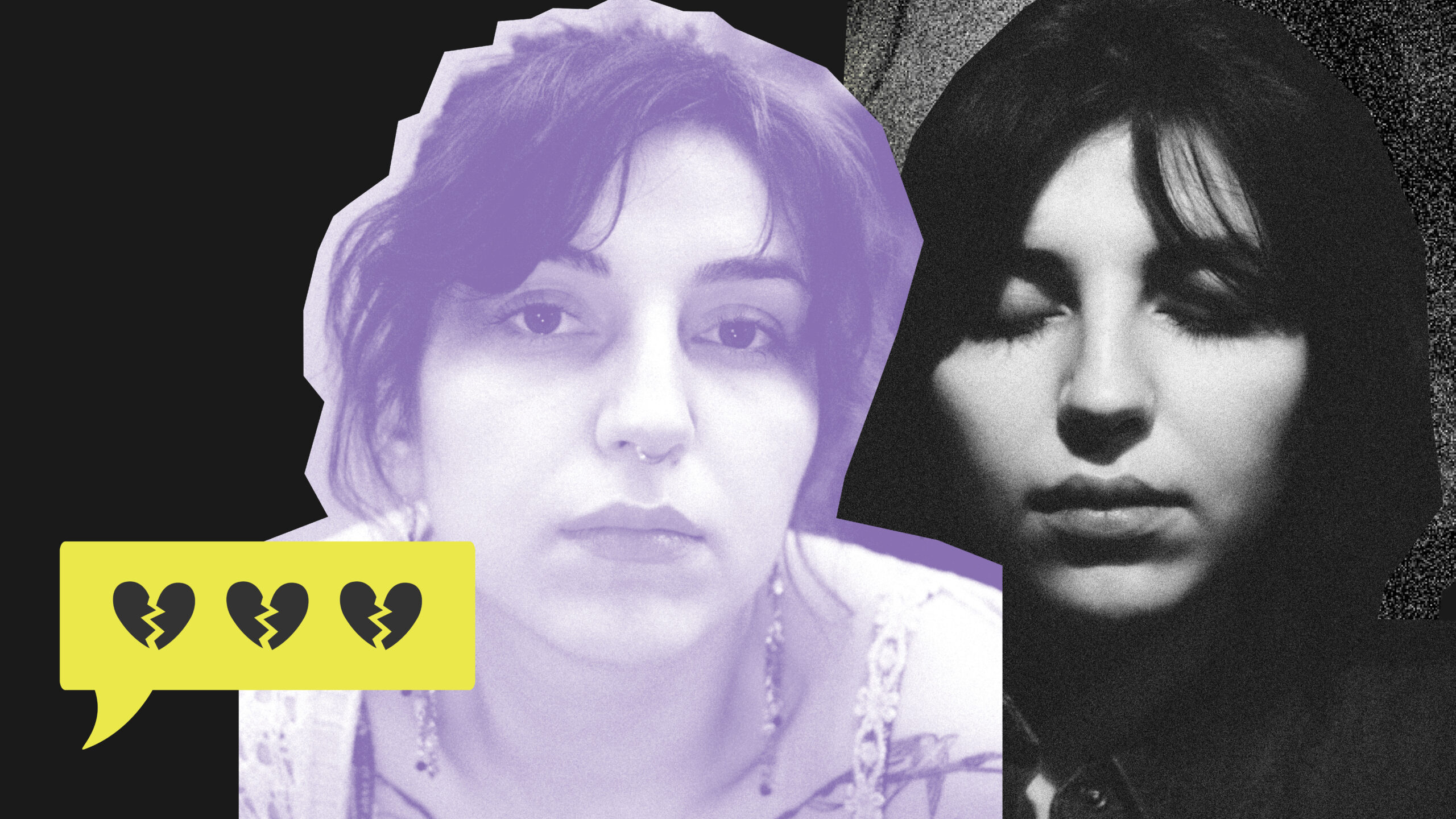
If you care about mental health, here’s why you should care about emotional abuse.
The most common form of abuse in young people’s relationships, is emotional abuse. In the romantic context, emotional abuse happens when a partner shows a lot of controlling or manipulative behaviour towards their partner or ex-partner.
In Ireland, 1 in 5 women have been abused by a male partner or ex. Emotional abuse can be traumatic to the person who experiences it and can severely and negatively impact a person’s mental health.
What are the signs of emotional abuse?
Some signs of emotional abuse include if they:
- Control your social media accounts or forbid you from having an account
- Blaming and humiliation
- Controlling, intimidating, and threatening behaviours
- Verbal abuse, or using words to hurt, threaten or belittles you
- Cutting you off from friends, family, and support networks
- Denying you access to a shared home
- Demanding to know where you are and who you are with all the time
- Deliberately silencing you or ignoring you
- Invading your space
- Gaslighting or manipulating you into doubting your thoughts, feelings, or perceptions
- Love-bombing or overwhelming you with lots of attention and affection as a way of manipulating you
Emotional abuse can happen to anyone, and it is never your fault if you experience abuse.
Trauma and emotional abuse
Trauma can occur any time a person endures stress, fear, or panic. Experiencing traumatic events such as emotional abuse can directly affect a person’s mental health and cause anxiety, depression and panic attacks.
Research from Women’s Aid in 2020 on intimate relationship abuse showed 9 out of 10 of young women who suffered abuse reported experiencing emotional abuse. 84% of young survivors said the abuse impacted their self-esteem or it led to anxiety or depression, 44% experienced suicidal thoughts and 19% had attempted suicide because of the abuse they were subjected to.
Emotional abuse has a direct impact on the mental health of victims/survivors and can have long-lasting consequences even after the abuse has ended.
If you are being emotionally abused, know that this is not your fault, it is unfair and unjustified. There is no excuse for emotional abuse, and no one ever deserves to be treated that way.
Though it is easier said than done, try to remember that what the abuser says about you is not true, not a reflection of you.
If you think you are being emotionally abused, or that someone you know is, the first step is to talk to someone you trust. This could be a teacher, youth worker, doctor or coach, or maybe another family member or a friend. You can let them know about your concerns.
If you are worried about your relationship or you’re worried about someone in your life, support is available.
You can reach out to the Women’s Aid 24hr National Freephone Helpline at 1800 341 900 or use the Too Into You chat support service by clicking the pink message button below.